Using Case Formulation to Optimize DBT for Autistic Clients
Training at a Glance
Who This Course is For - Clinicians trained in standard DBT who are interested in learning more about autism
Dates for This Training - February 25–26, 2027
Early Bird Rate | Standard Rate $700
Course Specifics - LiveRemoteInstructor-Led
Upcoming Dates
Pricing
Trainers

Lorie Ritschel, PhD
Lorie Ritschel, PhD, is a certified DBT therapist through the DBT-LBC and is an expert trainer of DBT and the DBT Prolonged Exposure protocol. She earned her doctorate in Clinical Psychology from the University of Kansas, and she completed postdoctoral fellowships at Duke University Medical Center and Emory University School of Medicine. She is a co-founder of the Triangle Area Psychology Clinic (TAP), an outpatient clinic in Durham, NC that specializes in DBT and other empirically supported treatments for adolescents, adults, couples, and families. She is also an Associate Professor at the UNC Chapel Hill School of Medicine in the UNC TEACCH Autism Program, where she works with autism experts on the development and implementation of DBT for autistic individuals.
Sami Ascanio, LCSW-C
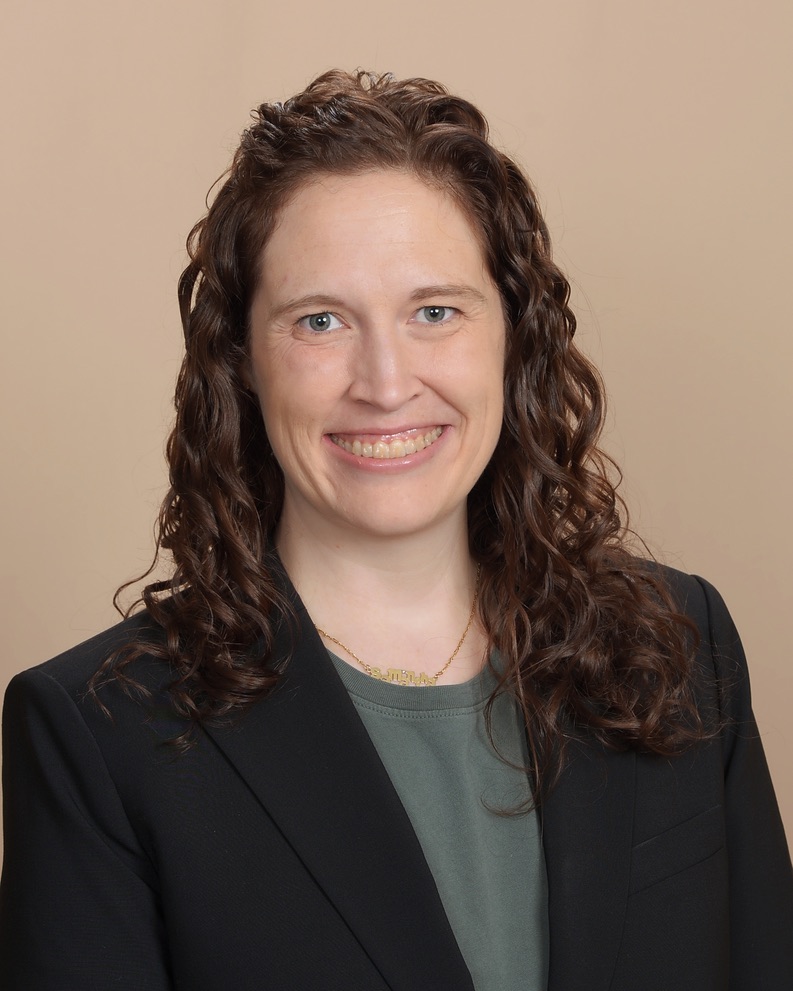
Sami Ascanio, LCSW-C
Sami Ascanio, LCSW-C, is an Autistic clinician with extensive expertise in adapting Dialectical Behavior Therapy (DBT) to meet the needs of Autistic clients. As a neurodivergent individual, Sami possesses a unique understanding of the needs and experiences of Autistic clients, enabling her to effectively apply DBT principles to help clients achieve their life goals and educate others in this approach.
Sami currently serves as the Director of DBT Programming at Capital Youth Services. She is certified as a DBT clinician by the prestigious DBT-Linehan Board of Certification and leads the DBT-LBC Certified DBT program at Capital Youth Services. In collaboration with Britt Rathbone, Sami acts as a lead program reviewer for the Linehan Board, conducting comprehensive reviews of DBT programs worldwide seeking certification.
Sami is passionate about DBT adherence and establishing frameworks within practices to ensure clients receive this transformative treatment. She provides training and consultation for teams and clinicians aiming to enhance adherence and improve their ability to conceptualize complex cases through the DBT framework.
Committed to continuous learning, Sami was trained by leading experts in her field, including DBT Intensive Training through Behavioral Tech, and additional training in DBT for adolescents and families, DBT-C (DBT for Children and Parents) under Francheska Perepletchikova, PhD, DBT Prolonged Exposure Protocol for PTSD with Melanie Harned, PhD, and Lorie Ritschel, PhD. Sami was also trained in the SPACE protocol by Eli Lebowitz, PhD and pursues ongoing training in Acceptance and Commitment Therapy. Regardless of the clinical framework she is working from, Sami is continuously striving to ensure that every treatment she offers is adapted to the neurotype and learning style of the client in front of her.
Sami balances her time between clinical work, consulting, and advocacy. She has been invited to speak on key topics such as “Optimizing DBT for Autistic Adults” and “Assessing and Treating Self-Injury and Suicidality in Teens: Alternatives to Hospitalization in High-Risk Situations.” Alongside Lorie Ritschel, PhD, Sami conducts monthly small group consultations for clinicians working with Autistic clients and collaborates on various projects, including upcoming publications.
In her personal time, Sami enjoys watching her dog Morty (the Capital Youth Services facility dog) chase trains, spending time with her partner, tending to her many plants, and engaging in activities with her nieces and nephews.
More About This Training
- Full Training Description
- Learning Objectives
- Prerequisites
- CE/CME Information
- Study Resources
- Technical Requirements
- Additional Information
- Detailed Schedule
From a medical model standpoint, autism is a neurodevelopmental disorder that manifests as a combination of social skills deficits and restricted/repetitive behaviors. From a social model of disability standpoint, autism is a neurotype to be understood but is only a “disorder” in that it ranges from difficult to nigh impossible to be an autistic person in a world created and largely maintained by allistic (non-autistic) individuals. As such, autistic individuals must exist daily in what is potentially a chronically invalidating environment.
Many mental health professionals are not adequately trained to assess autism or to work with autistic individuals. Perhaps even more concerning, many clinicians are unaware of their own knowledge gaps, which may lead to a failure to recognize neurodiversity in their clients.
Mental health difficulties (e.g., anxiety, depression, ADHD, PTSD) occur at a significantly higher rate in autistic individuals than in the general population. In addition, rates of suicidal and self-harming behavior are more than three times higher in autistic individuals than allistic individuals. Moreover, autistic clients report a number of barriers to accessing effective, neuroaffirmative treatments for these difficulties. On the one hand, they are often told that providers “don’t work with” autistic individuals; on the other, concealing their autism diagnosis to overcome this barrier can result in ineffective treatment, as the client’s neurotype was not properly assessed and incorporated into the treatment plan.
Preliminary research has demonstrated that DBT can be safe and effective in reducing suicidal behaviors in autistic adults without intellectual disability. In qualitative studies, autistic adults have reported that DBT skills are helpful for regulating emotions, understanding themselves, and connecting with others. In addition, these clients have suggested several modifications that could enhance DBT’s accessibility, effectiveness, or generalizability for autistic individuals. Suggestions have included reducing the number of words on handouts and worksheets, incorporating more concrete practices and visual supports, and more explicitly addressing how DBT skills may apply to neurodiverse clients or need to be modified for the autistic neurotype (e.g., by addressing sensory sensitivities).
In this workshop, the presenters (one of whom is autistic) will discuss characteristics of autism that DBT clinicians should consider when developing treatment plans with autistic clients. Implications for treatment will be discussed, with a focus on incorporating the client’s neurotype into case conceptualization. Potential modifications for both individual therapy and skills delivery will be discussed
Upon completion of this workshop, participants will be able to:
- Discuss the difference between the medical model of disability and the social model of disability.
- Describe 2 or more reasons why prevalence rates of autism have been increasing.
- Identify the DSM5 criteria for autism.
- List 5 or more examples of ways in which a client might experience sensory differences.
- Name one or more ways in which the therapist might engage in therapy interfering behavior with autistic clients.
- Describe camouflaging or masking and how it might impact an autistic person’s life.
- Describe the differences between shutdowns and meltdowns.
- List and describe 3 or more learning differences or styles in autism that are relevant for mental health professionals.
- List autism-specific characteristics to consider during case conceptualization with autistic individuals.
- Describe 2 or more ways to modify DBT skills training/delivery to be more neurodiversity-affirming.
- List 3 or more potential accommodations that could be made to reduce sensory overwhelm in autistic clients.
- Describe how a neurotypical environment can be pervasively invalidating for an autistic individual.
- Discuss differences between self-harm and stimming.
Please note the following:
- This training builds on an expectation that participants are well-versed in the content of standard DBT. Specifically, participants should complete Dialectical Behavior Therapy Foundational Training, Dialectical Behavior Therapy Intensive Training, or an equivalent alternative training before participating in this training.
- This training will focus on individuals with Level 1 autism without intellectual disability.
If this offering is approved for Continuing Education or Continuing Medical Education, BTECH verifies that it meets the requirements for the number of hours for each discipline listed below. If there are no listings, this offering does not provide continuing education credits. Licensing and continuing education requirements vary by jurisdiction (state/province/country). Please contact your regulatory authority to verify if this course meets your licensing or continuing education requirements. Inquiries regarding CE for other disciplines not listed may be directed to Behavioral Tech via email to [email protected]. At this time Behavioral Tech does not provide CE/CME credits for professions governed by boards outside the United States.
Mental Health Counselors (NBCC)
Behavioral Tech Institute (BTECH) will apply to the National Board for Certified Counselors (NBCC) for co-sponsorship approval for this training, requesting 12 clock hours. Approval has not yet been granted, and NBCC credit is not guaranteed. If approved, BTECH will provide documentation of completion to participants who satisfy the approved program requirements.
Nurses (ACCME)
Behavioral Tech is accredited by the Accreditation Council for Continuing Medical Education to provide continuing medical education for physicians. Nurses should only claim credit commensurate with the extent of their participation in the activity. Continuing Medical Education is accepted by the ANCC for nursing certification renewal. The maximum AMA PRA Category 1 Credits™ designated by Behavioral Tech Institute for this activity = 12.
Psychiatrists (ACCME)
Behavioral Tech is accredited by the Accreditation Council for Continuing Medical Education to provide continuing medical education for physicians. Physicians should only claim credit commensurate with the extent of their participation in the activity. The maximum AMA PRA Category 1 Credits™ designated by Behavioral Tech Institute for this activity = 12.
Psychologists (APA)
Behavioral Tech is approved by the American Psychological Association to offer continuing education for psychologists. Behavioral Tech Institute maintains responsibility for the program and its content. Behavioral Tech Institute will email you a letter documenting your attendance after successful completion of the program and homework. The hours of CE allocated for this activity = 12.
Psychologists – NY
Behavioral Tech is approved by the New York State Education Department’s State Board for Psychology as an approved provider of continuing education for licensed psychologists, #PSY-0063. Behavioral Tech will email a certificate of attendance upon 100% completion of this activity. The total contact hour allocated for this activity = 12
Social Workers- WA
Behavioral Tech will apply to the NASW, Washington State Chapter, Provider Number 1975-166, to offer continuing education for Certified Social Workers. Behavioral Tech Institute will email a certificate of attendance upon 100% completion of this activity. The hours of CE allocated for this activity = 12.
Social Workers – NY
Behavioral Tech is approved by the New York State Education Department’s State Board for Social Work as an approved provider of continuing education for licensed social workers, #0040. Behavioral Tech will email a letter documenting attendance to participants with 100% completion of the program and homework. The hours allocated for this activity = 12.
More information to come.
Live, Remote, Instructor-Led Training
No Additional Information
Schedule for February 25–26, 2027; other dates may differ. No Detailed Schedule Yet
To learn more about the types of training and consultation that BTECH offers, visit our Training Catalog here.
Not finding the training you’re looking for? Check out our services for agencies and systems to learn if we can bring a training to you!