To learn more about the types of training and consultation that BTECH offers, visit our Training Catalog here.
Interested in a training that is sold out? Please join our Waiting List so we can contact you as we schedule future events.

- This event has passed.
Introduction to DBT: Skillful Living
Hosted by:

Please note: This is a training series for staff and guests of CHI Nebraska.
If you are not a part of this group, please visit us at https://behavioraltech.org/events/ to see a list of upcoming events available to the general public.
Training Description
This one-day workshop, designed to be an overview of Dialectical Behavior Therapy (DBT), is intended for mental health professionals who wish to acquaint themselves with the treatment or who are considering further training in DBT. Change-based technology (behavior therapy) with acceptance-based principles (validation) are introduced along with dialectical strategies (those that provide the balance of acceptance and change). The structure of DBT is highlighted and the modes and functions of comprehensive DBT are defined. Topics include: 1) The dialectical worldview; 3) The structure of DBT treatment; 4) Targets of treatment for multi-problem, high-risk clients; 3) Core strategies used in DBT, including problem solving, validation, and dialectical strategies; 4) Introduction to DBT skills training
Methods of instruction include lecture, treatment demonstrations, and practice exercises to illustrate the principles and strategies of DBT.
Learning Objectives:
Upon completion of this training, participants will be able to:
- Describe the foundational principles of DBT
- Understand the components of DBT
- Identify the targets of DBT
- Describe the four skills modules critical to DBT
- Identify several different applications of DBT
Schedule
Introduction to DBT: Skillful Living
Day 1
8:00 – 8:30 Registration and CE/CME Sign-In
8:30 – 10:00 Overview of DBT; DBT as Dialectics
10:00 – 10:15 Break
10:15 – 11:45 Core Strategies: Problem Solving & Validation
11:45 – 12:45 Lunch on your own
12:45 – 2:15 DBT as Skills; Structure & Overview; Mindfulness Skills; Distress Tolerance Skills
2:15 – 2:30 Break
2:30 – 3:45 Emotion Regulation Skills; Interpersonal Effectiveness Skills
3:45 – 4:00 Q & A, Completion of Evaluation, and CE/CME Sign-Out
Trainers
Ronda Oswalt Reitz, PhD
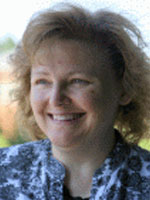 Columbia, MO (United States) Ronda Oswalt Reitz, Ph.D., is the Coordinator for Dialectical Behavior Therapy (DBT) services for the Missouri Department of Mental Health. In this role, she is charged with the implementation, support, and evaluation of DBT programming in public mental health settings statewide. Dr. Reitz specializes in large-scale implementation of DBT and has developed comprehensive DBT programming in community mental health systems, inpatient hospitals, and in juvenile and adult forensic settings. Dr. Reitz is also a national trainer-consultant for Behavioral Tech, the treatment dissemination company founded by Dr. Marsha Linehan, the developer of DBT. Dr. Reitz is a graduate of the University of Kansas.
Tony DuBose, PsyD
 Seattle, WA
Anthony P. DuBose, PsyD, Vice-president for Institute Services at Behavioral Tech Institute, the organization founded by DBT Treatment Developer, Dr. Marsha Linehan. Dr. DuBose has led a team of some of the world's foremost experts in Dialectical Behavior Therapy (DBT) since 2011. He has served a key role in the development and refinement of several large-scale DBT training models that have been translated into multiple languages. He has trained and consulted with health care providers world-wide regarding the treatment of borderline personality disorder, substance use disorders, and suicidal and self-injurious behaviors in adults and adolescents. He has been involved in large-scale systemwide DBT implementation projects in multiple countries and several US states. He is a member of the International Dissemination and the Training Committees of the World Dialectical Behavior Therapy Association (WDBTA), formed in 2021, and served on the WDBTA initial Board of Directors as its Treasurer. He has been licensed as a psychologist in the State of Washington since 1998 and is certified by the DBT - Linehan Board of Certification (DBT-LBC). He lives in Seattle, WA in the United States.
Dr. DuBose received a doctoral degree in clinical psychology from Pacific University of Oregon. He completed his predoctoral psychology internship at Western State Hospital in Lakewood, WA, and his residency requirements for psychology licensure as a postdoctoral fellow in clinical child psychology through the University of Washington's Department of Psychiatry and Behavioral Sciences. Before training as a psychologist, he completed a Master of Science degree in counseling from Loyola University of New Orleans and worked as a family therapist upon completion of that degree. His interest in suicidal and self-injurious behaviors developed when working with adolescents at high risk for suicide at the Child Study and Treatment Center, the state psychiatric hospital for children in Washington, where he served as director of the older adolescent program from 1997 to 2001. He is a Founding Member, and served as the first President & CEO, of the Evidence Based Treatment Centers of Seattle, PLLC. He held appointments on the clinical faculty in the University of Washington’s Department of Psychiatry and Behavioral Sciences and Department of Psychology from 1998 - 2012. He collaborated with Marsha Linehan, Ph.D., ABPP, and other researchers on the study of DBT, particularly related to its dissemination and implementation.
Seattle, WA
Anthony P. DuBose, PsyD, Vice-president for Institute Services at Behavioral Tech Institute, the organization founded by DBT Treatment Developer, Dr. Marsha Linehan. Dr. DuBose has led a team of some of the world's foremost experts in Dialectical Behavior Therapy (DBT) since 2011. He has served a key role in the development and refinement of several large-scale DBT training models that have been translated into multiple languages. He has trained and consulted with health care providers world-wide regarding the treatment of borderline personality disorder, substance use disorders, and suicidal and self-injurious behaviors in adults and adolescents. He has been involved in large-scale systemwide DBT implementation projects in multiple countries and several US states. He is a member of the International Dissemination and the Training Committees of the World Dialectical Behavior Therapy Association (WDBTA), formed in 2021, and served on the WDBTA initial Board of Directors as its Treasurer. He has been licensed as a psychologist in the State of Washington since 1998 and is certified by the DBT - Linehan Board of Certification (DBT-LBC). He lives in Seattle, WA in the United States.
Dr. DuBose received a doctoral degree in clinical psychology from Pacific University of Oregon. He completed his predoctoral psychology internship at Western State Hospital in Lakewood, WA, and his residency requirements for psychology licensure as a postdoctoral fellow in clinical child psychology through the University of Washington's Department of Psychiatry and Behavioral Sciences. Before training as a psychologist, he completed a Master of Science degree in counseling from Loyola University of New Orleans and worked as a family therapist upon completion of that degree. His interest in suicidal and self-injurious behaviors developed when working with adolescents at high risk for suicide at the Child Study and Treatment Center, the state psychiatric hospital for children in Washington, where he served as director of the older adolescent program from 1997 to 2001. He is a Founding Member, and served as the first President & CEO, of the Evidence Based Treatment Centers of Seattle, PLLC. He held appointments on the clinical faculty in the University of Washington’s Department of Psychiatry and Behavioral Sciences and Department of Psychology from 1998 - 2012. He collaborated with Marsha Linehan, Ph.D., ABPP, and other researchers on the study of DBT, particularly related to its dissemination and implementation.
Technical Requirements
Locations vary by date:
August 14:
Educational Service Unit #3, Cass/Douglas Conference Room, 6949 S 110th Street, La Vista NE 68128 (click here for an interactive map)
August 28:
Midlands Hospital, Smith & Stanley Conference Room, 11111 S 84th Street, Papillion, NE 68046 (click here for an interactive map)
September 11:
McAuley Center, Right Track Conference Room, 12809 W Dodge Road, Omaha, NE 68154 (click here for an interactive map)
Continuing Education
This offering meets the requirements for the following hours by discipline. Licensing and continuing education requirements vary by state. Please contact your state’s regulatory authority to verify if this course meets your licensing or continuing education requirements. Inquiries regarding CE for other disciplines not listed may be directed to Behavioral Tech at 206.675.8588 or via email to [email protected].
Alcohol and Drug Abuse Counselors
Behavioral Tech will apply the NAADAC – the Association for Addiction Professionals, Provider #77431. You will receive a letter via email documenting your attendance upon successful completion of the activity. The allotted contact hours for this activity = 6.
Mental Health Counselors
Behavioral Tech is approved a NBCC-Approved Continuing Education Provider (ACEP™), ACEP No. 5885. Programs that do not qualify for NBCC credit are clearly identified. Behavioral Tech, LLC, is solely responsible for all aspects of the program. Behavioral Tech will email you a letter documenting your attendance upon successful completion of the activity. The allocated clock hours for this activity = 6.
Nurses
Behavioral Tech is accredited by the Accreditation Council for Continuing Medical Education to provide continuing medical education for physicians. Nurses should only claim credit commensurate with the extent of their participation in the activity. Continuing Medical Education is accepted by the ANCC for nursing certification renewal. The maximum AMA PRA Category 1 Credits™ designated by Behavioral Tech for this activity = 6.
At the end of the training, each Nurse must complete and sign the provided form to record the number of credits claimed. Keep one copy & return the other copy to Behavioral Tech.
Psychiatrists
Behavioral Tech is accredited by the Accreditation Council for Continuing Medical Education to provide continuing medical education for physicians. Physicians should only claim credit commensurate with the extent of their participation in the activity. The maximum AMA PRA Category 1 Credits™ designated by Behavioral Tech for this activity = 6.
At the end of the training, each Physician must complete and sign the provided form to record the number of credits claimed. Keep one copy & return the other copy to Behavioral Tech.
Psychologists
Behavioral Tech is approved the American Psychological Association to offer continuing education for psychologists. Behavioral Tech maintains responsibility for the program and its content. Behavioral Tech will email you a letter documenting your attendance after successful completion of the program and homework. The number of hours Behavioral Tech has allocated within APA guidelines = 6.
Social Workers & Marriages and Family Therapists
The Nebraska Board of Mental Health Practice accepts CE activities sponsored by national or regional mental health practice associations directly related to enhancing mental health practice (such as American Psychological Association (APA), National Board of Certified Counselors (NBCC), etc.). The number of hours allotted for this activity = 6.
Not finding the training you’re looking for? Check out our services for agencies and systems to learn if we can bring a training to you!